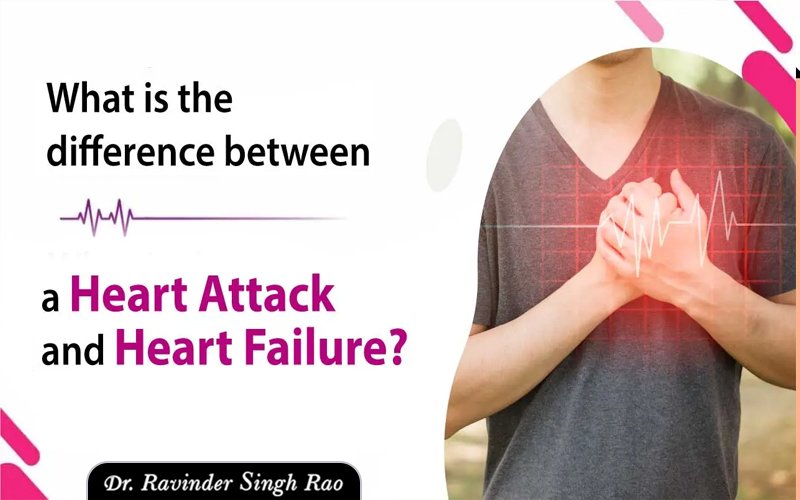
The heart is a critical organ responsible for supplying blood throughout the human body. It provides oxygen and nutrients to every region of the body, and its appropriate functioning is essential to overall health. Heart disease is a prominent cause of death globally, and it can manifest in various ways, including heart failure and heart attack. Despite their heart-related similarities, the two illnesses are different and need different approaches to therapy. A heart attack happens when a sudden stoppage of blood flow to a part of the heart, usually from a clot, damages the heart muscle. The symptoms, which include chest pain, shortness of breath, and sweating, appear suddenly. Heart failure is a chronic illness in which the heart weakens and is unable to adequately pump blood to meet the body’s needs. It can cause fatigue, breathing difficulties, and limb swelling. It develops gradually as a result of factors like high blood pressure or previous heart attacks.
A heart attack and heart failure are two distinct heart conditions, according to renowned cardiologist Dr. Ravinder Singh Rao. An abrupt blockage of a heart blood vessel results in a heart attack, which damages the heart’s muscles and stops blood flow. It causes breathing difficulties, perspiration, and unexpected chest pain. On the other hand, heart failure happens slowly over time when the heart becomes weak and cannot pump blood properly, causing swelling in the legs, tiredness, and breathlessness during daily activities. Dr. Ravinder Singh Rao’s guide helps people understand that a heart attack needs immediate hospital care, while heart failure needs regular treatment and lifestyle care to manage symptoms and keep the heart strong.
Heart Doctor, TAVI Surgery, TAVI Procedure, Best Cardiologist, TAVI Cardiologist In India, TAVR Cardiologist in India
TAVI Expert in Jaipur – Cardiologist Expert in Jaipur – Heart Specialist Doctor in Jaipur
Understanding Heart Health
One of the main causes of health issues in the world is heart disease. The terms heart attack and heart failure are frequently used interchangeably, yet many people confuse them. By understanding its variations, you can take timely action for your heart’s health.
Heart Attack: A Closer Look
When blood flow to a portion of the heart muscle is cut off, oxygen and nutrients cannot reach that area, leading to a heart attack. This can occur when plaque accumulation narrows or blocks one or more of the coronary arteries, which provide blood to the heart. Additionally, it may happen if a blood clot blocks blood flow in one of the coronary arteries:
A number of variables can affect the heart attack symptoms. Among the most typical symptoms are the following:
- Shortness of breath.
- Chest pain, heaviness, or discomfort.
- Nausea, lightheadedness, or cold sweats.
- Pain or discomfort in the arms, jaw, back, neck, or stomach.
A heart attack can be treated with either open heart surgery or cardiac angioplasty. To reduce the chance of further heart attacks, a patient may also need to take blood thinners and other drugs. It is important to remember that a heart attack can happen even in the absence of overt signs like dyspnea and chest discomfort. Also, the symptoms can be different for men and women. If you or someone you know experiences any of these symptoms, it’s necessary to seek emergency medical care from a reputed heart specialist in Jaipur. Delaying treatment can increase the risk of serious complications, including permanent heart damage or even death.
Heart Failure: A Closer Look
A cardiovascular condition known as heart failure affects the heart’s ability to pump blood. This happens when the heart has trouble pumping enough blood to meet the body’s demands. It may occur when the heart is injured or weakened, which reduces its effectiveness. Heart failure is often categorized into the following types;
- Left-Sided Heart Failure: This happens when blood backs up into the lungs due to weakness or damage to the left side of the heart, which pumps blood throughout the body.
- Right-Sided Heart Failure: This happens when blood backs up into the body due to weakness or damage to the right side of the heart, which pumps blood to the lungs.
- Systolic Heart Failure: This happens when the heart’s pumping function becomes weak, making it more difficult to push blood out of the heart and into the body.
- Diastolic Heart Failure: This happens when the heart struggles to pump blood effectively due to a malfunction in its relaxation and filling capacity.
The symptoms of heart failure can also vary, but the most common signs include the following;
- Dizziness, fatigue, or weakness due to a lack of nutrients and oxygen.
- Shortness of breath, even without physical exertion.
- Rapid or irregular heartbeat.
- Persistent coughing or wheezing brought on by lung fluid accumulation.
- Swelling in the angles, legs, feet, or abdomen due to fluid buildup.
Taking Care of Your Heart
Whether it is preventing a heart attack or managing heart failure, healthy lifestyle choices like regular exercise, eating a balanced diet, avoiding smoking, and controlling blood pressure and cholesterol can protect your heart. To maintain the health of your heart, see your cardiologist as soon as possible if you experience any heart-related symptoms.