Your muscular heart, the main organ in your cardiovascular system, is vital for life. Its components function as a unit to transfer blood throughout your body. It continuously removes trash from your cells and delivers oxygen to them. Many conditions can affect this organ and keep it from working well. The human heart is a remarkable organ that serves as the central hub of the circulatory system, tirelessly pumping blood throughout the body. Its structure consists of two higher atria and two lower ventricles, or four chambers. Whereas the left side of the heart receives oxygen-rich blood from the lungs and pumps it throughout the body through the aorta, the right side of the heart pumps deoxygenated blood from the body to the lungs via the pulmonary arteries for oxygenation.
The heart’s function is regulated by a complex electrical system that includes the sinoatrial (SA) node, atrioventricular (AV) node, and specialized conduction pathways, which ensure coordinated contractions. Dr. Ravinder Singh Rao’s guide on the Anatomy and Function of the Human Heart offers a comprehensive and insightful exploration of one of the body’s most vital organs. His guide carefully explains the intricate structure of the heart, outlining its division into four chambers (two ventricles and two atria) as well as the vital roles that each one performs in preserving effective blood circulation.
Dr. Ravinder Singh Rao emphasizes the importance of the heart’s electrical conduction system, highlighting how the Sinoatrial (SA) node, Atrioventricular (AV) node, and conduction pathways coordinate to regulate heartbeat rhythm and Synchronization. Additionally, This manual offers a comprehensive description of how heart valves, including the aortic, mitral, tricuspid, and pulmonary valves, work to ensure one-way blood flow and prevent backflow.
What is the Function of the Heart?
The primary job of the heart is to pump blood throughout your body. Your cells receive nutrition and oxygen from the blood. Additionally, it removes waste products like carbon dioxide so that other organs may get rid of them.
Your heart also:
- Controls the rhythm and speed of your heart rate.
- Maintains your blood pressure.
Your heart regulates your heart rate and other bodily processes in concert with these systems:
- Nervous System: Your heart rate is regulated in part by your neurological system. It transmits impulses that instruct your heart to beat more quickly under stress and more slowly at rest.
- Endocrine System: Your Endocrine system sends our hormones. Your blood pressure is influenced by these hormones, which instruct your blood vessels to dilate or widen. Your thyroid gland’s hormones have the ability to alter the rate at which your heart beats.
What are the Parts of the Heart?
Your heart’s components are similar to those of a structure. The anatomy of your heart consists of:
- Walls.
- Valves that open and close like doors to the rooms.
- Rooms within chambers.
- Blood vessels resemble pipes in a structure that are used for plumbing.
- A conduction system for electricity is similar to the electricity that flows through a structure.
Heart Walls
The muscles in your heart walls contract and relax to pump blood throughout your body. Your heart’s walls are separated into the left and right halves by a layer of muscle tissue known as the septum.
Your heart walls have three layers:
- Endocardium: Inner Layer.
- Myocardium: Muscular middle layer.
- Epicardium: Protective outer layer.
The epicardium is one layer of your Pericardium. Your whole heart is enveloped in a sac of protection called the pericardium. It creates fluid to protect your heart from rubbing against other organs and to lubricate it.
Heart Chambers
Your heart has four separate chambers. There are two chambers on top of your heart (called the atrium, plural atria) and two on the bottom (called ventricles), one on each side.
- Right Atrium: Your right atrium receives oxygen-poor blood from two sizable veins. Your upper body’s blood is carried via the superior vena cava. Blood from your lower body is brought in by the inferior vena cava. The blood is then pumped to your right ventricle by the right atrium.
- Right Ventricle: Through the pulmonary artery, the lower right chamber delivers blood that is deficient in oxygen to your lungs. The lungs reload the blood with oxygen.
- Left Artrium: Your blood is transported to the left atrium by the pulmonary veins once the lungs have finished oxygenating it. This upper chamber pumps the blood to your left ventricle.
- Left Ventricle: The left ventricle has a somewhat bigger volume than the right. Your body receives oxygen-rich blood flows from it.
Heart Valves
The doors that separate the chambers of your heart are your heart valves. They let blood pass through by opening and closing. Moreover, they prevent your blood from flowing in the incorrect direction.
Atrioventricular Valves
Your upper and lower heart chambers open due to the atrioventricular (AV) valves. They include:
- Tricuspid Valve: Door that separates the right ventricle from the right atrium.
- Mitral Valve: Door between your left atrium and left ventricle.
Semilunar Valves
When blood exits your ventricles, semilunar (SL) valves open. They include:
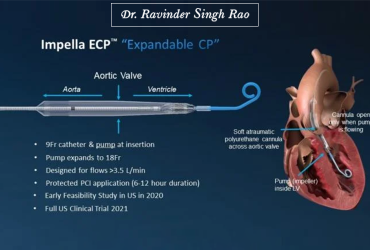
- Aortic Valve: Opens when blood from your left ventricle and enters the aorta, the artery that supplies your body with oxygen-rich blood.
- Pulmonary Valve: Opens when blood enters your pulmonary arteries, which are the only arteries that deliver blood with low oxygen content to your lungs, from your right ventricle.
Blood Vessels
Your heart pumps blood through three types of blood vessels:
- Arteries carry blood enriched in oxygen from your heart to the tissues in your body. Your pulmonary arteries, which supply your lungs, are an exception.
- Veins carry oxygen-poor blood back to your heart.
- Capillaries are tiny blood arteries where oxygen-rich and oxygen-poor blood are exchanged by your body.
Coronary Arteries
The coronary artery network provides nutrition to your heart. These arteries follow the surface of your heart. They serve the heart itself and include the:
- Left Coronary Artery: Splits into the left anterior descending artery and the circumflex artery.
- Circumflex Artery: Supplies blood to the left ventricle’s side and rear as well as the left atrium.
- Left Anterior Descending Artery (LAD): Supplies blood to the septum’s front, the left ventricle’s bottom, and both.
- Right Coronary Artery (RCA): Supplies blood to the posterior septum, bottom of the left ventricle, right atrium, and right ventricle.
What are the Common Conditions and Disorders that Affect Your Heart?
One of the most prevalent categories of illnesses is heart disease. Heart disease is the leading cause of death in the United States. Common conditions that affect your heart include:
- Arrhythmia: A heartbeat that is uneven in rhythm or that beats excessively quickly or slowly.
- Cardiomyopathy: Unusual thickening, enlargement or stiffening of your heart muscle.
- Congestive Heart Failure: Your heart can’t adequately pump blood throughout your body because it’s too weak or too stiff.
- Coronary Artery Diseases: Plaque buildup that leads to narrow coronary arteries.
- Diabetes: Your blood sugar is higher than it should be.
- Heart Attack (Myocardial Infarction): An unexpected coronary artery blockage that deprives a portion of your heart muscle of oxygen.
- Heart Valve Diseases: There’s a problem with one of your heart valves.
- High Blood Pressure: The pressure of your blood on the walls of your arteries is excessive.
- High Cholesterol: There are too many fats in your blood.
- Pericarditis: Inflammation in your heart’s lining (Pericardium).
FAQs
What are the main parts of the human heart?
The four main chambers of the human heart are the left and right ventricles (lower chambers) and the right and left atriums (upper chambers). It also includes four main valves (tricuspid, pulmonary, mitral, and aortic) and major blood vessels such as the aorta and pulmonary arteries.
How does the heart pump blood through the body?
The heart uses a synchronized mechanism to pump blood. The body’s deoxygenated blood travels through the right atrium, right ventricle, and pulmonary arteries before being pumped to the lungs where it is oxygenated. After exiting the left ventricle and returning to the left atrium, blood that is rich in oxygen is transferred to the body via the aorta.
What is the role of the heart valves?
Heart valves ensure unidirectional blood flow through the heart. The pulmonary and aortic valves govern blood flow out of the ventricles into the pulmonary arteries and aorta, respectively, preventing backflow. The tricuspid and mitral valves control blood flow between the atria and ventricles.
How does the heart’s electrical system work?
The heart’s electrical system controls its rhythm and coordination. The right atrium’s sinoatrial (SA) node functions as the body’s natural device producing the electrical impulses that start each heartbeat.
What is the significance of coronary arteries?
Coronary arteries supply blood to the heart muscle itself. They diverge from the aorta and guarantee that the heart gets the nourishment and oxygen it needs to operate properly.