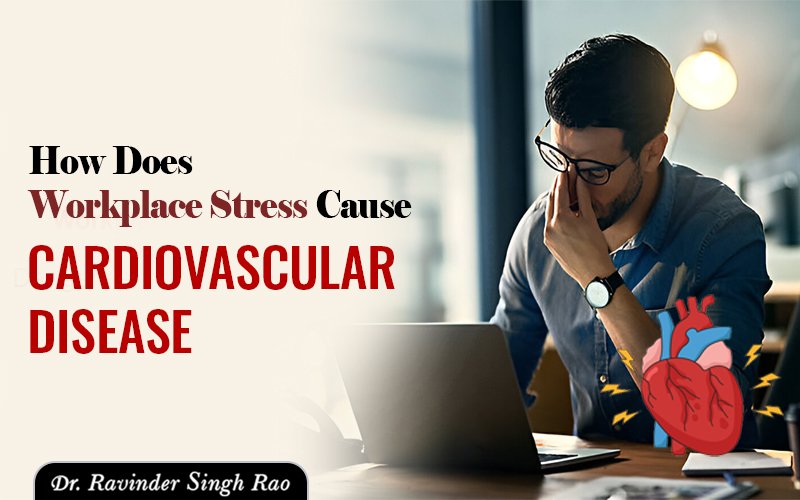
Stress at work is something that many workers in a variety of sectors and businesses encounter. Simply put, it is an emotional, psychological, and physical response to the demands and pressure of work. One of the main causes of chronic stress in the US is work-related stress, according to the American Institute of Stress. It’s critical to seek heart disease therapy as soon as possible since workplace stress can have a negative impact on a person’s health and well-being, including the development of cardiovascular disease. Dr. Ravinder Singh Rao, a renowned cardiologist and expert in advanced cardiovascular treatments, sheds light on the critical connection between workplace stress and cardiovascular disease.
According to Dr. Ravinder Singh Rao, a series of physiological reactions, such as higher blood pressure, an accelerated heartbeat, and the production of stress hormones like cortisol and adrenaline, are brought on by prolonged stress in the workplace. These elements have the potential to cause plaque buildup, blood vessel inflammation, and an elevated risk of heart attacks and strokes over time. He emphasizes the importance of managing stress through regular exercise, mindfulness practices, balanced nutrition, and seeking timely medical advice.
Causes of Workplace Stress
Workplace demands, a lack of control, busyness, strained relationships with managers and coworkers, job insecurity and uncertainty, and many other variables can all lead to work-related stress. The amount and complexity of work that employees are expected to perform are referred to as job demands and workload. High job demands and workloads can cause employees to feel overburdened and anxious.
The degree to which an individual has autonomy and decision-making authority in their employment is referred to as a lack of control. Employee tension may arise if they believe they have little control over their work. Negative connections with bosses and coworkers can also lead to stress at work because social support is a crucial stress-reduction strategy. Job insecurity refers to the fear of losing one’s job or uncertainty about the future of their employment. In an era of widespread layoffs in Big Tech organizations, it is one of the most prevalent sources of stress at work. Long work hours, low income, and a lack of work-life balance are additional variables that contribute to workplace stress.
How Workplace Stress Affects the Cardiovascular System
The heart, blood arteries, and blood make up the cardiovascular system. Stress hormones, such as cortisol and adrenaline, are released by the body when a person is under stress. These hormones prime the body for the “fight or flight” reaction, which is characterized by elevated blood pressure, heart rate, and respiration rate. Chronically high levels of stress hormones brought on by prolonged activation of the stress response can harm the cardiovascular system.
Vasoconstriction, or the narrowing of blood vessels, can be caused by stress hormones, raising blood pressure and putting more strain on the heart. Chronic vasoconstriction can result in atherosclerosis, a disorder where plaque accumulation causes the arteries to harden and narrow. Moreover, chronic stress can increase inflammation and oxidative stress, which can contribute to the development of atherosclerosis and other cardiovascular conditions. A heart attack may result from oxidative stress-induced plaque in the arteries breaking away and obstructing blood flow to the heart muscles.
Prevention and Management of Workplace Stress
Managing work-related stress effectively is essential for heart health, even though it may not be completely avoidable. Employers and workers can utilize the following techniques to control stress and lessen its negative effects on the heart:
- Identify and address the source of stress: Employers can identify the causes of workplace stress and take action to address them by holding focus groups or surveys. Employees can also identify their sources of stress and take steps to manage them.
- Promote work-life balance: Work-life balance can be promoted by employers by providing telecommuting choices, paid time off, and flexible work schedules. Workers should also prioritize relaxation and stress-relieving activities and establish boundaries between their personal and professional lives.
- Encourage physical activity: Employers can encourage physical exercise by providing fitness classes or gym memberships on-site. Workers can also make physical activity a part of their daily routine by taking the stairs rather than the elevator or going for a stroll during lunch breaks.
- Practice stress management techniques: Employers can provide resources and training on stress management, including mindfulness and relaxation techniques. Employees can also practice stress management techniques on their own, such as meditation, deep breathing, or yoga.
- Provide social support: Employers who support team-building exercises and provide opportunities for employees to interact with one another can foster social support in the workplace. Employees can also seek social support from family, friends, or support groups.
- Seek professional help: Counseling and psychotherapy services are available through employee assistance programs (EAPs), which are offered by employers. If workers are dealing with long-term stress or health issues due to stress, they can also seek assistance from mental health specialists. Encouraging employees to get regular health checkups from heart disease specialists is also a smart idea.
FAQs
How does workplace stress affect heart health?
Stress at work causes stress hormones like cortisol to rise, which over time can raise blood pressure, heart rate, and inflammation and cause cardiovascular problems.
Can stress alone cause heart disease?
Stress is a major contributor to risk factors like hypertension, bad lifestyle choices, and arterial damage, even if it may not be the direct cause of heart disease.
What are the early signs of stress-related heart problems?
Symptoms include rapid heartbeat, chest pain, shortness of breath, fatigue, and high blood pressure.
Who is at higher risk of stress-related cardiovascular disease?
People who work long hours, have demanding occupations, lack support, or struggle with stress management are especially susceptible.
How can workplace stress be managed to reduce heart risks?
Balanced diets, regular exercise, sufficient sleep, mindfulness practices, and seeking professional advice can assist manage stress effectively.