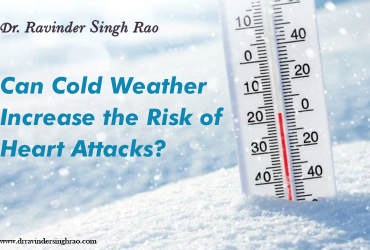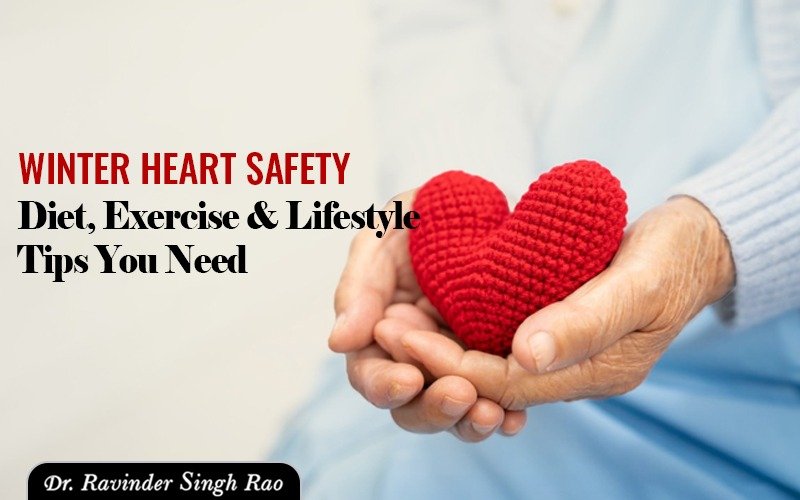
As the temperature drops, the human body undergoes several physiological changes. When blood pressure increases, the heart has to work harder to pump blood, and blood vessels constrict to preserve heat. These shifts can be difficult for heart patients over the winter, resulting in discomfort, increased exhaustion, and, in extreme situations, an increased risk of cardiac events. Dr. Ravinder Singh Rao’s guide on Winter Heart Safety highlights the significance of taking extra precautions for heart health throughout the winter because low temperatures can elevate blood pressure, narrow blood vessels, and increase the risk of heart attacks and strokes. He advises maintaining a warm body temperature, especially in the early mornings and late nights, and encourages regular but moderate physical activity to keep the heart active without overexertion.
Reasons why Winter can be Risky for Heart Patients
Winter might seem calm and pleasant, but it puts extra strain on the heart. When the temperature falls, the body instinctively constricts blood arteries to save heat. Vasoconstriction, or this narrowing, raises blood pressure and makes the heart work harder. Over time, this might cause symptoms like exhaustion, shortness of breath, or chest pain in the winter, particularly in people who already have heart issues.
The following are some of the primary causes of increased health risks for heart patients throughout the winter:
- Reduced Blood Circulation: The following are some of the primary causes of increased health risks for heart patients throughout the winter:
- Increased Blood Pressure: Vasoconstriction leads to elevated blood pressure, straining heart muscles.
- Sedentary Lifestyle: Indoor activity levels are often lower, which can deteriorate cardiovascular health.
- Delayed Response to Symptoms: Early indicators of cardiac issues are frequently disregarded or confused with common winter tiredness.
In addition, research shows that rapid exertion, such as shoveling snow or strenuous physical activity in cold air, increases the risk of heart attacks throughout the winter. It’s essential to recognize these risks early and take preventive measures.
Heart-Friendly Diet Tips for the Cold Season
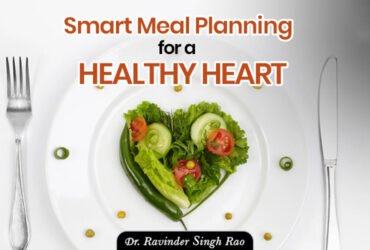
Maintaining a balanced diet is essential for heart health, particularly in cold weather when you are tempted to eat heavy, greasy, or sugary foods. A heart-supportive diet lowers inflammation, maintains circulation, and regulates cholesterol. Here are some crucial dietary guidelines to adhere to in the winter:
- Include Heart-Protective Foods: Include foods like salmon, walnuts, and flaxseeds that are high in omega-3 fatty acids. These aid in cardiac rhythm improvement and inflammation reduction.
- Focus on Seasonal Produce: Fresh winter vegetables like spinach, carrots, and beetroot provide vital antioxidants and fiber.
- Stay Hydrated: Dehydration can thicken blood and put more strain on the heart during cold weather. Drink herbal infusions, green tea, or warm water on a daily basis.
- Limit Salt and Processed Food: Consuming a lot of sodium causes blood pressure to rise. Roasted fruit or nuts can be used in place of processed snacks.
- Choose Healthy Fats: Consuming a lot of sodium elevates blood pressure. Use fruit or roasted nuts in place of manufactured munchies.
Safe Exercise Tips for Heart Patients in Winter
In order to avoid stiffness, enhance circulation, and control weight, heart patients must continue a regimen of mild exercise during the winter. But it’s crucial to modify your workout regimen according to the season. Here are some guidelines for safe and efficient wintertime exercise:
- Warm up Before Exercising: To get your heart and muscles ready, always start with easy stretches or a little inside stroll.
- Exercise Indoors When Possible: Stretching, yoga, and stationary cycling are exercises that increase cardiovascular endurance without exposing the body to extremely cold temperatures.
- Avoid Early Morning Workouts: Choose mid-morning or afternoon sessions when the weather is calmer because early morning is typically the coldest time of day.
- Dress Appropriately: Wear layered, breathable clothing that keeps your body warm but prevents overheating.
- Monitor Your Heart Rate: Maintain a reasonable level of activity and prevent overexertion by using a heart rate monitor or smartwatch.
Essential Lifestyle Habits for Winter Heart Safety
Many people stay inside, sleep infrequently, and engage in unhealthy behaviors or foods during the winter. When compounded, these minor adjustments can have a detrimental effect on cardiovascular health. The following are some essential lifestyle choices for improved heart health and winter safety:
- Get Enough Rest: Good sleep aids in controlling stress hormones and blood pressure. Try to get seven or eight hours of unbroken sleep every night.
- Manage Stress Effectively: Engage in calming activities like reading, meditation, or listening to music. Stress is a leading trigger for heart complications.
- Avoid Smoking and Excessive Alcohol: Particularly in cold temperatures, both can narrow blood vessels and put more strain on the heart.
- Monitor Blood Pressure and Sugar Levels: Frequent monitoring guarantees prompt medical care and aids in the early detection of variations.
- Stay Socially Connected: Social engagement and emotional stability lower stress, which tangentially improves heart health.
FAQs
Why does winter increase the risk of heart problems?
Blood arteries constrict in cold temperatures, which can increase blood pressure and force the heart to work harder, raising the risk of heart attacks and strokes.
Who is more vulnerable to heart issues during winter?
Wintertime increases the risk for those with pre-existing cardiac disease, high blood pressure, diabetes, high cholesterol, smokers, and the elderly.
What are the warning signs of a heart problem in cold weather?
People who already have heart disease, high blood pressure, diabetes, high cholesterol, are smokers, and the elderly are at higher risk throughout the winter.
How can I protect my heart during winter?
Keep yourself warm, eat well, exercise indoors, control your stress, and take prescription medications on a regular basis.
Is exercising outdoors safe during winter for heart patients?
Exercise that is light to moderate is safe, but you should always warm up properly before working out and steer clear of early morning sessions in really cold weather.