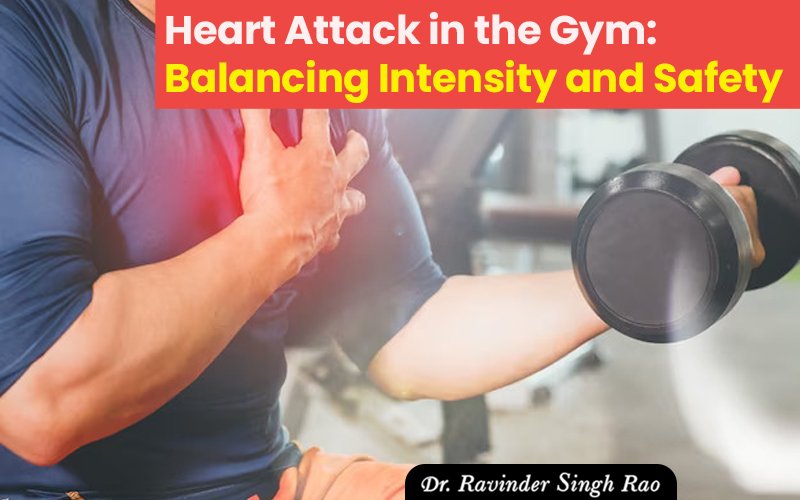
Heart Attack in the Gym: During a period when having a muscular frame is considered trendy, more young individuals than ever are going to the gym. Fitness enthusiasts usually engage in demanding workouts that may not be appropriate for their bodies, with the goal of developing a muscular and powerful physique. More so, Today’s young adults in India—men and women alike—are more vulnerable than ever to heart conditions. Indians are experiencing heart disease at least ten years earlier than their Western counterparts. India’s poor heart health can be attributed, in part, to its blood vessel density being lower than that of the Western world. We provide some light on the causes of this health issue in the wake of an increase in heart attack cases among young people and fitness enthusiasts.
Dr. Ravinder Singh Rao, a leading expert in cardiovascular health, emphasizes the importance of understanding and mitigating the risks of heart attacks during gym workouts. He emphasizes that while regular exercise is important to keep the heart healthy, particularly for people with underlying heart issues, extreme exercise can occasionally cause cardiac attacks. He counsels gym patrons to be mindful of their personal health status and to seek medical advice prior to beginning a new exercise program.
Dr. Ravinder Singh Rao stresses the significance of recognizing warning signs such as shortness of breath, chest pain, and dizziness, which could indicate a potential heart attack. He also suggests that gyms have emergency response plans in place and personnel who have had training in handling such circumstances. He promotes a healthy approach to fitness that optimizes health benefits while avoiding dangers by combining preventative measures, individualized activity routines, and awareness.
Heart Doctor, TAVI Surgery, TAVI Procedure, Best Cardiologist, TAVI Cardiologist In India, TAVR Cardiologist in India
Why are Regular Gym Goers at Risk of Heart Attack?
Going to the gym is often associated with health and fitness. However, working out can backfire and leave you feeling more tense than energized. Keep an eye out for the following factors, which are frequently disregarded as warning indicators of heart disease in gym attendees:
- Strenuous Exercises
Strenuous exercises are those that require intensive workouts, such as running, cycling at a speed of 10 mph or more, swimming, and jumping rope. Researchers have discovered compelling evidence that one of the main causes of heart attacks at the gym is high-intensity exercise.
- Increased Blood Pressure
Exercise frequently causes a sudden increase in blood pressure. But the issue arises when you stop exercising and your blood pressure does not go back to normal. Exercise-induced elevation of systolic blood pressure is considered normal, as long as it stays below 200 mm Hg, according to the Centers for Disease Control and Prevention.
- Undiagnosed Blockages & Malfunctioning
Most people who use gyms are unaware of their current state of heart health. Until patients experience an abrupt cardiac arrest, they might not be aware that they have blocked arteries. One of the main causes of severe heat strokes is failing to consider the possibility of coronary artery disease before engaging in physically demanding activities.
Who is at Risk for a Heart Attack While Exercising?
A heart attack while exercising is more likely to occur in people with pre-existing cardiac problems. Individuals with diabetes, high blood pressure, or obesity are more vulnerable than individuals without any of these illnesses. The risk of suffering a heart attack while exercising can also be raised by smoking, eating poorly, and not exercising. Additionally, there is a higher danger for sedentary people who suddenly start engaging in vigorous physical exercise. To guarantee a safe and efficient fitness plan, it is imperative that anyone with these risk factors speak with a healthcare professional before beginning or substantially increasing their daily physical activity.
FAQS
What are the common symptoms of a heart attack during exercise?
Chest pain or discomfort, breathlessness, lightheadedness, nausea, and pain that radiates to the arms, neck, or jaw are typical symptoms. When working out, stop right away if any of these symptoms appear, and get medical attention.
How can I reduce my risk of a heart attack while working out?
Make sure you have a pre-workout health check, gradually increase the intensity of your workout, stay hydrated, avoid overdoing it, and pay attention to your body in order to lower the risk. Incorporating warm-up and cool-down sessions into your routine can also help.
Are there specific exercises that are safer for individuals with heart conditions?
Walking, cycling, and swimming are examples of low-to-moderate intensity exercises that are generally safer for those with cardiac issues. To design a customized workout program that works for your current health situation, always get advice from a healthcare professional.
What role does hydration play in preventing heart attacks during exercise?
Drinking enough water keeps the heart healthy and the body temperature in check. Heart strain and an elevated risk of cardiac events can result from dehydration. Make sure you stay hydrated before, during, and after your exercise.
Is it safe for people with a history of heart disease to exercise in the gym?
Yes, people with a history of heart disease can safely exercise, but they should do so under a doctor’s supervision. Keeping to a customized workout regimen appropriate for their condition is crucial, as is scheduling regular check-ups with their physician.