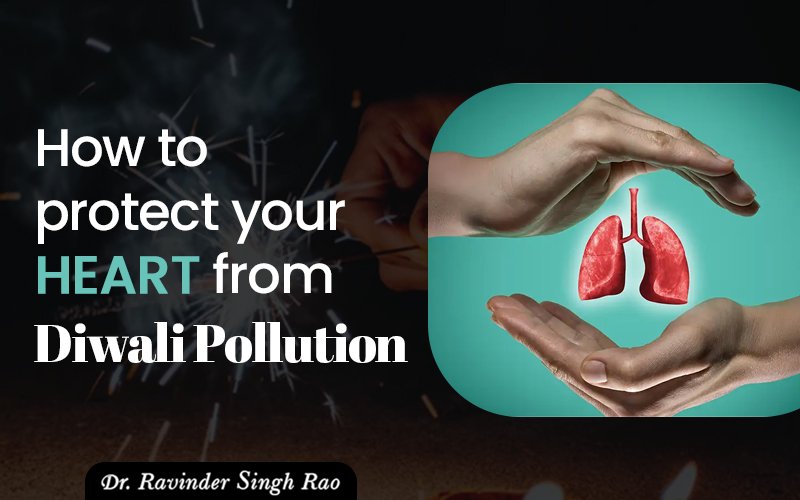
The joyous mood of Diwali is frequently accompanied by elevated air pollution from firecrackers and other sources, which can have a serious negative effect on heart health. To protect your heart during this time, it’s essential to take proactive measures. Start by keeping an eye on the quality of the air and avoiding the outdoors on days when pollution is high. Wearing a mask might help filter out dangerous particles when you do go outside. Your cardiovascular system can be strengthened by including heart-healthy foods like fruits, vegetables, and whole grains in your diet. Maintaining proper hydration is equally vital because it aids in the body’s detoxification. Maintaining a robust and resilient heart can also be achieved through regular exercise, even indoors. Finally, consider practicing stress-relief techniques, like meditation or Yoga, to in maintaining your overall well-being.
Dr. Ravinder Singh Rao, a renowned cardiologist, emphasizes the importance of maintaining heart health during the Diwali season, particularly due to the rise in air pollution from firecrackers and other festivities. He suggests that people can greatly lower their risk of cardiovascular problems by keeping up with local air quality levels and avoiding outdoor activities when pollution is high. He recommends strengthening your cardiovascular system by include heart-healthy foods like fresh fruits, vegetables, and omega-3 fatty acids in your diet and by wearing protective masks if outside exposure cannot be avoided.
Additionally, Dr. Ravinder Singh Rao encourages staying hydrated, as proper hydration aids in detoxification and overall heart function. Along with stress-reduction strategies like meditation and deep breathing exercises to combat the stress of the holidays, regular indoor exercise can also assist maintain heart health.
Post-Diwali Heart Protection: 10 Tips to Navigate Through Pollution
You can take preventative measures to shield your heart from the dangers of pollution by including these practices in your post-Diwali routine. Despite the happiness and celebration that Diwali, the festival of lights, offers, it frequently leaves a cloud of pollution that can be harmful to your heart. The increased levels of air pollutants such as carbon monoxide, particulate matter, and sulfur dioxide can pose serious risks.
Indoor Air Purification
Buy air purifiers for your house to remove dangerous contaminants. During periods of high pollution, particularly in the early morning and late evening, keep windows and doors closed.
Stay Hydrated
Water consumption aids in the removal of toxins from the body. It is necessary to preserve heart health as well as general wellness. To prevent consuming more pollutants, choose filtered or purified water.
Balanced Diet
Consume a heart-healthy diet rich in vegetables, fruits, whole grains, and lean proteins. Antioxidants and vital nutrients included in these meals can help mitigate the damaging effects of pollution on your cardiovascular system.
Regular Exercise
To strengthen your heart and enhance your general cardiovascular health, get frequent exercise. Exercise helps boost your immune system and enhance your body’s ability to cope with environmental stressors.
Avoid Outdoor Activities During Peak Pollution
Avoid being outside during periods of heavy pollution, especially when engaging in physically demanding activities. If you have to go outside, try to go in the afternoon or another time of day when there is less pollution.
Use Masks
Consider sing masks designed to filter our particulate matter when venturing outdoors. This can lessen the amount of dangerous chemicals you are exposed to, particularly in the days after Diwali.
Monitor Air Quality
Keep yourself updated on local air quality. Check pollution levels using websites or apps that track air quality, then adjust your plans accordingly.
Increase Indoor Plants
By absorbing contaminants, indoor plants can serve as organic air filters. Peace lilies, snake plants, and spider plants are well-known for their ability to filter the air.
Quit Smoking
If you smoke, consider quitting. Smoking combined with post-Diwali pollution can significantly increase the risk of heart-related issues.
Consult a Healthcare Professional
See a medical expert if you have any underlying cardiac issues or if you have any strange symptoms. Frequent medical examinations are essential for keeping an eye on and preserving heart health.
FAQs
How do Diwali crackers affect heart patients?
Diwali crackers emit dangerous toxins that can exacerbate cardiovascular issues, such as sulfur dioxide, carbon monoxide, and particulate matter. These poisons cause respiratory discomfort and lower oxygen levels, which puts more strain on the heart. In addition to increasing blood pressure and causing anxiety, the loud noise produced by firecrackers can cause issues for susceptible people, such as arrhythmias or even heart attacks.
Why is air pollution from firecrackers dangerous for heart patients?
Firecracker air pollution comprises fine particles (PM2.5) that can enter the bloodstream and lungs deeply, making it especially dangerous for heart patients. These pollutants can worsen pre-existing cardiac disorders and cause serious cardiovascular problems like heart failure or a heart attack by increasing inflammation, raising blood pressure, and reducing oxygen delivery.
Can loud noises from firecrackers cause heart attacks?
Yes, loud noises from firecrackers can potentially cause heart attacks. Stress hormones like adrenaline may rise as a result of the abrupt loud noises, raising heart rate and blood pressure. Heart patients may experience arrhythmias, or abnormal heartbeats, as a result of this extra pressure.
How does the noise pollution from Diwali crackers affect the heart?
Heart patients may experience tension, anxiety, and panic due to the high decibel levels of firecrackers. Their blood pressure and pulse rate rise as a result, which may cause cardiovascular strain. Long-term exposure to loud noises can also impair heart patients’ general health, cause stress, and interfere with their ability to sleep.
Can the pollutants from firecrackers cause long-term damage to the heart?
Yes, the cardiovascular system may suffer irreversible harm from prolonged exposure to fireworks contaminants. Chronic illnesses like hypertension, coronary artery disease, and even stroke are made more likely by prolonged exposure to high amounts of particulate matter and hazardous chemicals, particularly for people who already have heart problems.