Heart Healthy Diet – 8 steps to prevent heart disease: You must observe healthy eating patterns to look after your heart. What you eat has a great influence on your likelihood of being to heart disease – the number one killer worldwide -. Through just a couple of changes in your daily diet, you could avoid being a victim of heart disease and live a happier, healthier, and longer life.
Today, let us explore eight significant ways you can reshape your eating plan to reduce your chances of heart disease. If you employ the tips mentioned here, you will increase the chances that your cardiovascular system will be in good shape, and you’ll be happier.
1. Control Portion Sizes
This is crucial in a heart-healthy diet and deals with controlling portion size. We eat a lot, and even though it is low-calorie, heart disease attacks us quite simply. Firstly, small plates and bowls help us limit the amounts of food we put on our serving plates, and secondly, we have to increase our intake of foods that contain fewer calories and more nutrition, such as fruits and vegetables.
While eating out, try to observe portion sizes and share a meal. You can even pack the leftovers to take home. This can be done by ensuring you eat only the necessary calories so your body doesn’t get more than it needs.
2. Eat more Vegetables and Fruits
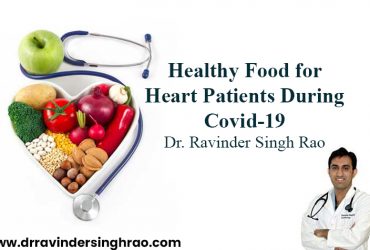
Vegetables and fruit contain most of the necessary micronutrients, minerals, and fiber. They are classified as such because of their high content of good things. Try to replenish your body with multi-colored fruits and add them to your meals or snacks routinely.
Instead of filling the whole plate with fruits and vegetables, try to choose half of them at each meal and select fresh or frozen instead of canned or processed options. Increasing your intake of whole fruits and vegetables could help you achieve more satiety and supply all of the nutrients your body requires for optimal functioning.
3. Choose Whole Grains
Unrefined grains contain many dietary fibers, which can help prevent cardiovascular diseases. Whole grains maintain their natural value, unlike processed grains, which remove fiber and nutrients.
Sugar-refined products will make one obese, so choose whole-grain bread, pasta, and cereals instead. Do not think you are limited to rice and wheat if you want variety. Instead, try whole grains like quinoa, barley, and bulgur. Try to have at least half of your grains as whole grains every day.
4. Limit unhealthy fats
Fat is not the direct culprit on the bad side, especially for those people with heart disease. Too much saturated and trans fat can lead to higher levels of cholesterol, which is a risk factor for increased risk of cardiovascular diseases. As far as the two, the unsaturated fats, are concerned, they may decrease your probability of having those heart complications.
Take a limited quantity of saturated fat, which are animal products like red meat, butter and full-fat dairy, and throw out trans fats to the dustbin. Rather than picking the bad fatty acids in animal products and processed foods, consider the good varieties of polyunsaturated fats in nuts, seeds, avocados, and olive oil.
5. Choose Low-Fat Protein Sources
Protein components of food are one of the most important aspects of our diet. However, we should begin to remember that the impact of protein consumption on our hearts is not the same for all protein sources. Consume poultry and fish in their lean, non-fatty forms while being cautious about red and processed meats. The former two are considered dangerous, while the latter are unhealthy.
When it comes to dairy, select high-fat or fat-free varieties such as skim milk and yogurt. You can do this by substituting some animal products with plant products and consuming less saturated fat and cholesterol overall.
6. Limit and Reduce Sodium and Salt
High sodium intake may worsen your blood pressure, which is linked to heart attack due to an increased risk of heart disease. Consume less high-salt products such as snacks and other quick and packaged foods. Instead, go for the low-sodium options.
Home cooking enthusiasts should try to season food instead of salt to add flavor. Furthermore, regarding eating out, request the server to have less salt in your meal/without salt.
7. Plan: Create Daily Menus
The best way to ensure you are not abusing your heart and blood vessels is not to take the food and beverages on the fly but to plan your meals and snacks. Spend some time making one weekly meal plan that contains a good amount of vegetables, fruits, whole grains, healthy proteins, and various components.
When you go to the grocery, write a list of items and buy only stuff you need, not unhealthy snacks and processed foods you might not need. Well, in advance and by being prepared, you will hopefully not succumb to unhealthy eating tendencies in such times.
8. Be Physically Active
A proper diet and regular workout are likewise primary for a healthy heart. Aim to do at least 30 minutes of moderate-intensity physical activity every weekday.
Choose the activities you would like to do—walk, swim, ride a bike, or dance—and try to make them a regular part of your routine. The good news is that heart diseases are not necessarily inevitable, and by eating well and exercising regularly, you can get on the road to a strong and healthy heart.
Conclusion
One of the most significant actions you can take to lower your chances of heart disease is following a heart-healthy eating habit. Observe the combination of these eight effective measures, and you get a good chance of effective heart health improvement.
Remember, every small change that happens each day in the long run has a great contribution. if you have any concerns or queries about your heart health, do not hesitate to talk to a professional doctor like Dr. Ravinder Singh Rao. With the right guidance and support, however, you can pressure your heart health and have a longer life full of health.