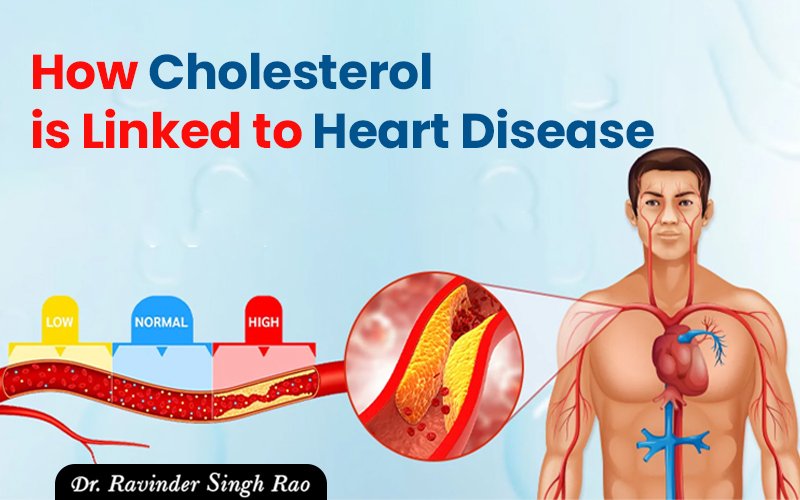
Heart Disease is a leading cause of death worldwide. Heart disease can be caused by a variety of things, including stress, underlying medical issues, and a sedentary lifestyle. High cholesterol is one of the biggest risk factors for heart disease. Numerous cardiovascular conditions, such as peripheral arterial disease, heart valve disease, heart failure, and coronary artery disease, are associated with elevated cholesterol levels. A fatty material called cholesterol is present in the blood and is essential for the body’s functioning, but an excess of it can cause heart disease. Increased levels of low-density lipoprotein (LDL) cholesterol, commonly known as “bad” cholesterol, have been linked to the development of arterial plaque.
Atherosclerosis is a disorder caused by plaque that hardens and narrows the arteries, reduces blood flow, and raises the risk of heart attacks and strokes. In contrast, elevated levels of HDL cholesterol, also referred to as “good” cholesterol, aid in the elimination of excess cholesterol from the circulation. Dr. Ravinder Singh Rao, a renowned expert in cardiovascular health, provides valuable insights into the connection between cholesterol and heart disease.
According to him, the effects of cholesterol on heart health are significant, especially in the case of elevated low-density lipoprotein (LDL) cholesterol levels. He indicates that high levels of low-density lipoprotein (LDL) can cause plaque to build up in the arteries, narrowing and hardening them and raising the risk of heart disease. Dr. Ravinder Singh Rao emphasizes the importance of managing cholesterol levels through a healthy lifestyle, including a balanced diet and regular exercise.
Heart Doctor, TAVI Surgery, TAVI Procedure, Best Cardiologist, TAVI Cardiologist In India, TAVR Cardiologist in India
What is High Cholesterol?
An excess of lipids, or fats, in the blood, is known as high cholesterol. Hyperlipidemia or hypercholesterolemia are other names for it. To function, your body needs just the proper amount of lipids. Your body cannot utilize all the fats if you have an excess of them. Your arteries begin to fill with more fat. They combine with other substances in your blood to form plaque (fatty deposits).
For years, this plaque may not create any issues, but it gradually grows more and larger inside your arteries. This explains why it’s risky to have high cholesterol untreated. the excess lipids in your blood contribute to the plaque’s growth. A blood test is the only method to determine whether you have high cholesterol. A blood test called a lipid panel, tells you how many lipids are circulating in your blood.
How Does Cholesterol Affect Your Heart?
High cholesterol can cause LDL cholesterol to accumulate in the artery walls, which can lead to atherosclerosis. Plaque accumulation can restrict the arteries, which will make it more difficult for blood to pass through. The coronary arteries, which provide blood to the heart and may develop coronary artery disease, are especially problematic. Angina, or pain in the chest, can result from reduced blood flow to the heart. A heart attack can occur if the blood supply is totally cut off. In such cases, a patient often has to undergo coronary Angioplasty to open up the blocked arteries and restore normal blood flow.
Elevated cholesterol levels can impact not only the coronary arteries but also other arteries within the body. The risk of stroke can be raised by atherosclerosis in the carotid arteries, which carry blood to the brain. Similar to this, peripheral arterial disease, which can result in leg pain and trouble walking, can be brought on by the narrowing of the arteries in the legs.
High Cholesterol levels can also affect the heart in other ways. It may result in heart failure, for instance, a condition in which the heart is unable to pump enough blood to fulfill the body’s demands. Elevated cholesterol levels may also result in a narrowing of the heart valves, which can cause stenosis, a condition of the heart valve.
Causes of High Cholesterol
Genetics and lifestyle choices can contribute to elevated cholesterol. Lifestyle factors include:
- Smoking and Tobacco Use: Your “bad cholesterol” (LDL) rises and your “good cholesterol” (HDL) falls when you smoke.
- Being Under a lot of Stress: Hormonal changes brought on by stress lead to the production of cholesterol in the body.
- Drinking Alcohol: Too much alcohol in your body can raise your total cholesterol.
- Diet: Certain foods can change your cholesterol levels. Healthcare professionals occasionally advise making dietary adjustments or scheduling a consultation with a nutritionist to go over your diet.
Tips to Lower Cholesterol Levels
To evaluate your general health and reduce your risk of heart disease, it is a good idea to speak with a heart disease expert if you have been diagnosed with excessive cholesterol. It is probable that they will suggest statins as a means of controlling your cholesterol levels. You can also lower your cholesterol and lower your chance of heart disease by taking a number of actions. These include:
- Exercising regularly.
- Eating a healthy diet that is low in saturated and trans fats.
- Maintaining a healthy weight.
- Quitting smoking.
- Limiting alcohol consumption.
FAQs
What is cholesterol?
Your blood contains a fatty material called cholesterol. Although it is necessary for cell growth, too much of it might cause heart disease.
How does cholesterol affect heart disease?
Excessive accumulation of low-density lipoprotein (LDL) in the arterial wall might result in plaque formation. This may cause blood flow to be reduced and arteries to constrict, raising the risk of heart disease.
What is HDL Cholesterol?
High-density lipoprotein, or HDL, cholesterol is referred to as “good” cholesterol. It assists in moving LDL cholesterol to the liver for excretion after removing it from the arteries.
How can I manage cholesterol levels?
Reducing the risk of heart disease and managing cholesterol levels can be achieved by following your doctor’s prescription for medicine, quitting smoking, exercising frequently, and eating a nutritious diet.
Are there foods that can help lower cholesterol?
Yes, good fats from nuts and olive oil, together with high-fiber foods like cereals, fruits, and vegetables, can help lower LDL cholesterol levels.