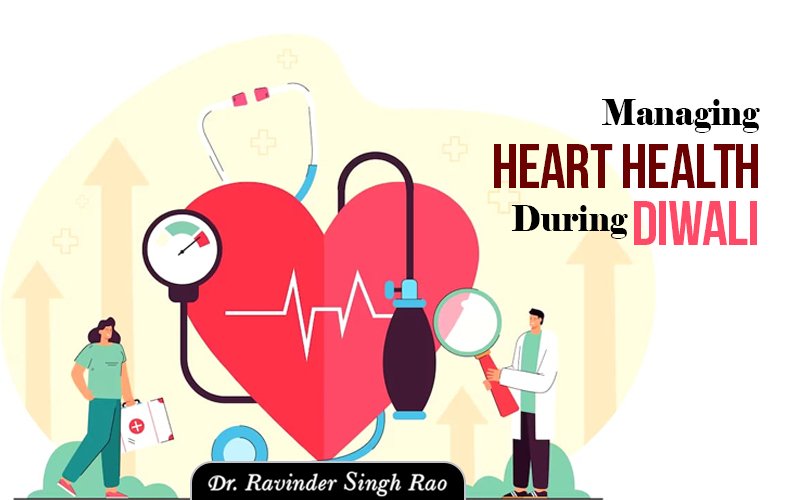
Diwali can also bring health challenges, however, for those with pre-existing heart conditions. Heart health can be significantly impacted by the special dangers associated with the holiday season, such as elevated stress levels, bad eating habits, and increased pollution. For individuals already managing conditions such as hypertension, coronary artery disease, or heart failure, during the festive period, it is imperative to be mindful of these risks and take preventative measures to safeguard their health. Although Diwali is a time for happiness, lights, and festivities, it can also bring about changes in lifestyle that could have an impact on heart health. Avoid overeating and instead choose heart-healthy, lighter options like baked nibbles, dried fruits, and handmade desserts.
Dr. Ravinder Singh Rao, a leading interventional cardiologist and structural heart disease expert based in Jaipur, highlights how important it is to celebrate Diwali in moderation and with mindfulness. He advises against late-night celebrations, fried foods, and high-calorie sweets since they can cause stress, hypertension, or blood sugar swings. Dr. Ravinder Singh Rao advises choosing balanced meals, drinking enough water, and including mild exercise into everyday activities to maintain heart health during festivities. Additionally, he advises limiting exposure to the noise and smoke from firecrackers, which can strain the heart, particularly in people who already have health issues.
Heart Doctor, TAVI Surgery, TAVI Procedure, Best Cardiologist, TAVI Cardiologist In India, TAVR Cardiologist in India
TAVI Expert in Jaipur – Cardiologist Expert in Jaipur – Heart Specialist Doctor in Jaipur
Air Pollution: A Serious Risk for Heart Patients
The increase in air pollution brought on by firecrackers during Diwali is one of the biggest health hazards. Cardiovascular problems may worsen as a result of the smoke and particulate matter emitted during festivities. Short-term exposure to high levels of air pollution, particularly fine particulate matter (PM2.5), has been repeatedly linked to an increased risk of heart attacks and strokes.
According to a study that was published in The Lancet, air pollution causes millions of preventable lives each year and is a significant contributing factor to cardiovascular illnesses globally. Diwali makes matters worse, especially in cities where pollution levels skyrocket. Heart disease patients are particularly susceptible to these pollution increases. Heart patients are encouraged to stay indoors to reduce these dangers, especially in the evening when firecracker activity is at its highest. Wearing protective masks when going outside and using air purifiers at home can help lower exposure to dangerous pollutants.
Dietary Indulgence: Proceed with Caution
Diwali is a time of indulgence, with tables laden with fried snacks, sweets, and rich dishes. It’s normal to want to enjoy a festive meal, but people with heart issues need to be careful. The heart is strained when blood pressure, cholesterol, and blood sugar levels rise as a result of consuming too much sugar, salt, and unhealthy fats. Overeating or ingesting meals high in saturated fats can cause major consequences, like heart attacks or strokes, for those who already have cardiac disease. It’s essential to maintain a balanced diet even during the festive season.
Choose healthier options rather than overindulging in fried snacks and traditional sweets. Nuts, fruits, and home-cooked sweets with no sugar or oil can be equally enjoyable. Additionally, because processed meals high in sodium can cause fluid retention and elevated blood pressure, heart patients should avoid them and stay hydrated.
Stress: A Silent Contributor to Heart Problems
Preparing the home, buying presents, and planning family get-togethers are all common aspects of the hectic Diwali celebrations. Stress levels may rise as a result, which may be detrimental to heart health. Heart attacks are known to be triggered by stress because it raises blood pressure and releases hormones that might put stress on the heart. Many people underestimate the role of stress in heart disease. Both mental and physical health can suffer during Diwali due to the pressure to live up to social standards, money worries, and time constraints.
Heart patients are encouraged to manage stress through relaxation techniques such as light yoga, meditation, or deep breathing. Another way to manage stress is to set reasonable expectations for the holiday season, assign responsibilities to others, and take pauses.
Alcohol Consumption: A Double-Edged Sword
Diwali celebrations frequently include alcohol, but drinking can be extremely dangerous for people with heart issues. In addition to raising blood pressure, alcohol can sometimes cause irregular heartbeats and interfere with cardiac medications. In particular, binge drinking is risky and can result in an unexpected heart attack. For heart patients, even moderate alcohol consumptions can be risky. Alcohol consumption should be kept to a minimum or avoided throughout Diwali in order to avoid any possible cardiac issues.
If you choose to drink, moderation is key. Alcohol’s negative effects on heart health can be reduced by consuming it with food, drinking enough of water, and avoiding binge drinking.
Prevention: The Best Way Forward
Diwali should be about celebrating safely, for individuals with heart conditions. Simple safety measures can make a big difference in ensuring a happy and healthy holiday season. Prevention is always preferable to treatment.
Before the festival, to discuss any prospective changes to your diet or medication, speak with your doctor. Make sure you always have emergency drugs on hand, such as those for high blood pressure or angina.
During the celebrations, keeping an eye on your heart rate and blood pressure will also help you see any warning signs early. To protect heart health during Diwali, it is important to stay indoors during periods of heavy pollution, avoid physically demanding activities, and eat a balanced meal.
FAQs
Why is heart health a concern during Diwali?
Fried foods, overeating sweets, and exposure to pollution can strain the heart.
What foods should I prefer during Diwali?
Choose fresh fruits, dry fruits, baked snacks, and homemade light sweets in moderation.
Can I skip exercise during festive days?
No, even a regular 20-minute stroll or a little yoga keeps your heart healthy and stress-free.
How can I manage stress during Diwali?
Rest well, plan your celebration, and practice relaxation techniques like deep breathing.
What is the most important tip for a healthy Diwali?
Celebrate in moderation by eating with awareness, exercising, and taking care of your heart.