According to a 2019 survey that was published in the European Heart Journal, over 24% of heart attacks in India happen in the morning. Studies have shown that individuals who experience a heart attack in the morning, especially between 6am and noon, have higher levels of heart enzymes than those who experience heart attacks at other times of the day. Heart attacks are more likely to occur in the morning due to the body’s natural biological processes. Stress chemicals like cortisol are released in excess by the body as we wake up, which can raise blood pressure and heart rate and put additional strain on the heart.
Furthermore, the blood’s clotting-related components, platelets, are more active and sticky in the early hours, increasing the possibility of clots that could obstruct coronary arteries. After a night’s sleep, dehydration may also cause blood to thicken, raising the risk of a cardiac attack. Dr. Ravinder Singh Rao, a renowned cardiologist, explains that heart attacks are more common in the morning due to the body’s natural circadian rhythm and physiological changes upon waking. He emphasizes that the body experiences a surge in cortisol and adrenaline levels in the early hours of the day, which can cause elevated heart rate and blood pressure and further tax the cardiovascular system.
Heart Doctor, TAVI Surgery, TAVI Procedure, Best Cardiologist, TAVI Cardiologist In India, TAVR Cardiologist in India
Why Are Heart Attacks More Common in the Morning?
Heart attacks are more likely to occur in the early morning hours of the day due to a combination of physiological reasons.
- Morning High Blood Pressure Rise: Our blood pressure tends to rise rapidly as we wake up. Known as the “morning blood pressure rise,” it increases the risk of a heart attack by placing additional strain on the heart and arteries.
- Higher Heart Rate: Every time you wake up, your heart rate increases in preparation for the day. For those who already have heart issues or sensitive arterial plaque, this additional activity may be especially dangerous.
- Hormonal Changes: Cortisol is a stress hormone that increases in the early morning. The immune system and metabolism are impacted, but blood vessel growth raises blood pressure and may result in a heart attack.
How to Identify a Morning Heart Attack
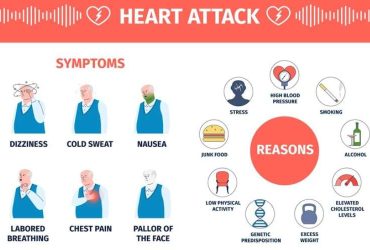
- It is crucial to recognize the early warning signals of a heart attack, particularly in the morning, so that prompt action can be taken.
- Continuous pain in the strain, chest, or tightening may reach the arms, neck, jaw, or back.
- Breathing difficulties sometimes or with little exercise.
- Profuse perspiration that cannot be explained, is generally accompanied by clamminess.
- Signs of indigestion, nausea, or vomiting, are both commonly overlooked for digestive issues.
- Feeling sleepy, fainting, or lightheaded, frequently brought on by fatigue.
- Sudden, severe weakness or exhaustion that does not go away when you rest.
Is There any Difference Between Morning Heart Attack VS Heart Attack at other Time Periods?
There are undoubtedly some distinctions between heart attacks that occur in the morning and those that occur at other times. Let’s look for the following distinctions to better understand:
Duration and Natural Patterns
- Morning Heart Attacks: Usually happen between 6am and noon, in keeping with the body’s normal cycle. This timing aligns with physiological shifts including hormone fluctuations and morning blood pressure increases.
- Heart Attacks at Other Times: This is not influenced by specific periods of day and can happen at any time of day or night. Exercise and mental stress are two examples of activities that can induce them in addition to the body’s internal clock.
Severity and Outcome
- Morning Heart Attacks: Heart attacks that occur in the morning are said to be more significant, which may cause the heart muscles to sustain much more damage. Higher blood platelet counts and the sensitivity of arterial plaque in the morning may be contributing causes to this deterioration.
- Heart Attacks at Other Times: Heart attacks that happen at other times can be dangerous, but the outcome depends on a number of variables, including the severity of the coronary arteries and when medical intervention is received.
Risk Indicators and Causes
- Morning Heart Attacks: These are frequently linked to particular triggers, such elevated platelet counts and a morning blood pressure spike. People who already have heart disease or other risk factors may be more vulnerable during this time.
- Heart Attacks at Other Times: Mental stress, physical activity, and underlying health issues are all potential triggers. Risk factors can change depending on a person’s habits and way of life.
Response to Treatment
- Morning Heart Attacks: The outcomes of morning heart attacks are improved by early detection and treatment. Prompt treatment, such administering clot-busting medications or performing an emergency angioplasty, can help the heart’s blood flow return.
- Heart Attacks at Other Times: Similar to this, getting medical help quickly is crucial for minimizing issues and increasing survival rates. A patient’s general health and the degree of coronary congestion can have an impact on the treatment’s success rate.
Why are Heart Attacks Increasing?
The number of heart attacks is rising due to a variety of variables, such as modern lifestyles, environmental changes, and advancements in medicine. Here is a quick overview of why heart attacks are increasing:
- The absence of exercise and poor diet are aspects of the lifestyle.
- The risk of heart failure is increased by high amounts of stress.
- Air and smoke damage the heart.
- The number of elderly people with health problems has increased.
- Technological advancements detect more heart attacks.
- More scenarios are detected with the use of new criteria.
How to Prevent a Heart Attack?
You need to start your day well and take care of your heart if you want to prevent a morning heart attack. In the morning, follow these easy steps to maintain heart health.
- Eat a Healthy Breakfast: Add fruits and vegetables, healthy grains, and a small amount of protein, and avoid foods that are high in saturated fats, cholesterol, and added sugar.
- Manage Stress: Engage in mindfulness, yoga, meditation, or deep breathing to relieve tension.
- Take Medication: If you were prescribed any medication, carefully follow your doctor’s recommendations.
- Exercise Regularly: Go for 30 minutes of exercise every day, which includes cycling, walking, jogging, or swimming.
- Get Enough Sleep: Try for 7-9 hours of quality sleep per night.
FAQs
Why are heart attacks more common in the morning?
Stress hormones including cortisol, blood pressure, and sticky platelets increase in the morning, raising the risk of thrombosis and heart strain.
Does dehydration play a role in morning heart attacks?
Yes, dehydration during the night can thicken blood, increasing the chance of a clot forming.
Can stress levels affect morning heart attack risk?
Yes, elevated stress hormones in the morning might increase blood pressure and heart rate, increasing the danger.
Are people with pre-existing conditions at higher risk?
Yes, conditions like hypertension, high cholesterol, or diabetes amplify the morning vulnerability to heart attacks.
How can I reduce the risk of a morning heart attack?
Manage stress, maintain a healthy lifestyle, stay hydrated, and consult a doctor for managing heart-related risk factors.