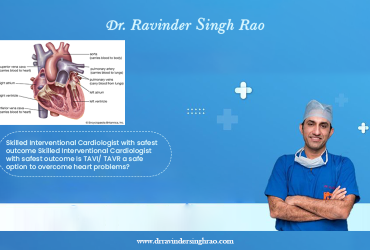
Transcatheter Aortic Valve Implantation (TAVI) represents a groundbreaking advancement in cardiovascular medicine, offering a minimally invasive alternative to traditional open-heart surgery for patients suffering from severe aortic stenosis. To access the defective aortic valve during the TAVI surgery, a specialized catheter is inserted through a blood artery, usually in the chest or groin. TAVI has revolutionized the treatment of aortic stenosis, particularly for high-risk patients who may not be candidates for traditional surgery. Dr. Ravinder Singh Rao stands as the epitome of excellence in the field of cardiology, renowned as the Best TAVI procedure Doctor and Hospital in India. He has gained a reputation for his unmatched skill and caring patient-centered approach. He has a plethora of experience and is committed to leading the way in cardiovascular care innovations.
What is TAVI?
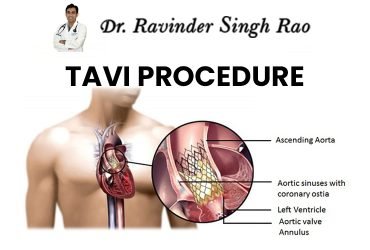
Transcatheter aortic valve implantation is a minimally invasive procedure that helps treat aortic stenosis. During this minimally invasive operation, a catheter is used to help implant a new valve and deploy it into the aortic position. The new valve expands when the catheter is positioned correctly, pushing the injured valve leaflets aside and resuming blood flow. Unlike open heart surgery, this minimally invasive method doesn’t include a chest incision or a heart-lung machine. It is beneficial for high-risk patients who cannot undergo traditional valve replacement surgery.
Risks Associated with TAVI?
TAVI is a minimally invasive surgery. Although skilled interventional cardiologists typically conduct this treatment with a high success rate, there is still a chance that it will include some danger. Here’s what you should know about the dangers of TAVI. Transcatheter Aortic Valve Implantation TAVI Procedure Surgeons & Hospitals in India continue to pave the path for innovation and excellence in cardiovascular medicine.
- Heart Rhythm Problems: The patient may experience abnormal heartbeats after surgery, which may require medical treatment.
- Kidney Damage: In certain patients, kidney function may be impacted by the contrast dye used during the TAVI operation.
- Valve Migration: The patient may experience discomfort or other serious health issues if the recently implanted valve moves out of position.
- Stroke: Small clots that develop during the procedure may go straight to the brain and cause the patient to have a stroke while still on the operating table during the procedure.
- Valve Leakage: Blood may seep into and around the freshly inserted valve if it does not seal completely.
- Vascular Problems: When a catheter is inserted, damaged blood arteries may develop, which could result in bleeding or necessitate emergency medical attention.
- Procedural Infection: Although it is uncommon, infections within the heart or at the site of the catheter can happen.
Benefits of The TAVI Procedure
The possible risks connected to the TAVI procedure were the ones listed above. Let’s now discuss the potential advantages of TAVI surgery.
- Minimally Invasive: The transcatheter valve implantation (TAVI) treatment is less invasive than open cardiac valve replacement surgery. It helps treat aortic stenosis without requiring significant surgery and is carried done by a catheter.
- Reduced Mortality: The TAVI technique has drastically decreased mortality rates for high-risk patients.
- Shorter Recovery: Compared to a regular valve replacement procedure, patients usually recover more quickly from their shorter hospital stays.
- Low Risks of Stroke: The patient under TAVI has a lower risk of stroke than with other aortic valve replacement procedures. Your interventional cardiologist will perform all required safety measures to minimize the risk of stroke.
- Quick Recovery to Life: After undergoing a successful TAVI procedure, patients resume their daily activities very soon.
- Longer Durability: The patient can benefit from long-term relief from aortic stenosis symptoms due to the long-lasting and robust architecture of the TAVI valves.
- Improved Quality of Life: After a successful TAVI operation, the majority of patients resume their normal lives shortly afterward. They also notice a notable improvement in their quality of life, which in turn enhances a person’s general well-being.
Maintaining contact with your cardiologist is crucial, and routine check-ups are required, even after you have recovered from the TAVI operation and are leading a healthy life. Additionally, you should avoid engaging in strenuous physical activities because, if you do not take the necessary precautions and medication, they could result in unexpectedly severe medical disorders.
Best TAVI Procedure Hospital in India
Rajasthan Hospital is the best TAVI Hospital in India. We are the most technologically sophisticated cardiac hospital in India, with a highly equipped surgical ICU and a state-of-the-art catch lab. We are the only facility in India processing the highest number of TAVI cases each month thanks to our in-house procedural infrastructure and, most importantly, our top-notch interventional cardiologist. Book your consultation with Dr. Ravinder Singh Rao today for the best TAVI treatment in the city.
FAQs
What is TAVI, and when is it recommended?
TAVI, or Transcatheter Aortic Valve Implantation, is a minimally invasive procedure used to replace a diseased aortic valve in the heart. It is recommended for patients with severe aortic stenosis who are at high or intermediate surgical risk for traditional open-heart surgery.
Who is the best Cardiologist for the TAVI Procedure in India
Dr. Ravinder Singh Rao is the best Cardiologist for TAVI Procedure in India.
What qualities should I look for in a cardiologist for a TAVI procedure?
When choosing a cardiologist for TAVI, look for expertise, experience, and a proven track record in performing TAVI procedures. Additionally, consider factors such as the cardiologist’s reputation, patient satisfaction rates, and access to advanced technology and facilities.
What are the benefits of choosing the best cardiologist for the TAVI procedure?
Choosing the best cardiologist for the TAVI procedure can lead to superior outcomes, reduced risks, and a smoother recovery process. A knowledgeable and experienced cardiologist can use cutting-edge methods, give individualized care, and offer complete support during the course of treatment.
What sets apart the best cardiologists for TAVI in India from others?
The greatest cardiologists for TAVI are distinguished by their vast experience, extraordinary skill set, devotion to patient safety, and commitment to being updated with industry developments.