Cold Weather and Cardiovascular Disease: Many of us look forward to being warm indoors or engaging in seasonal outdoor activities as the temperatures drop throughout the cold weather months. However, the winter cold might provide a concealed health risk for people with cardiovascular issues. More than merely an environmental problem, cold weather can have a major impact on the heart and blood vessels, raising the risk of cardiovascular problems. For some people, the winter months bring snow, ice, and colder temperatures. Shoveling snow may not cause any health issues for the majority of people. However, if you have cardiovascular disease, it’s crucial to understand how cold weather can impact your heart.
Dr. Ravinder Singh Rao, a renowned cardiologist, emphasizes the importance of safeguarding cardiovascular health during cold weather. Blood artery constriction during colder temperatures can raise blood pressure and put more strain on the heart, increasing the risk of heart attacks and strokes. Dr. Ravinder Singh Rao advises individuals, especially those with pre-existing heart conditions, to dress warmly, maintain regular physical activity indoors, and avoid sudden exposure to cold.
He also emphasizes the significance of prompt treatment, routine checkups, and a heart-healthy diet high in omega-3 fatty acids. Dr. Ravinder Singh Rao makes sure that his patients properly handle the difficulties of cold weather while preserving their best possible heart health by taking preventative steps and providing knowledgeable advice.
Heart Doctor, TAVI Surgery, TAVI Procedure, Best Cardiologist, TAVI Cardiologist In India, TAVR Cardiologist in India
How Cold Weather Affects the Heart
The body has to exert more effort to keep its core temperature stable when exposed to cold conditions. Blood arteries narrow as a result of this process, boosting blood pressure and the heart’s workload. This additional strain can result in serious problems, such as heart attacks, strokes, or worsening symptoms of pre-existing heart disease, for people who already have heart diseases or are at risk.
Additionally, cold weather can lead to lifestyle changes that may negatively impact heart health. In addition to unhealthy behaviors like overeating or consuming more fatty meals, people tend to be less physically active during the winter, which can raise cholesterol levels. These factors increase the risk of cardiovascular events when combined with the physiological consequences of cold exposure.
Common Cardiovascular Conditions Affected by Cold Weather
Several cardiovascular diseases are more likely to worsen during the cold season. Let’s examine a few of the most prevalent conditions affected:
- Coronary Artery Disease (CAD)
One of the most prevalent cardiovascular diseases impacted by cold weather is coronary artery disease, which is brought on by the constriction or blockage of coronary arteries. When exposed to cold, blood arteries contract, reducing blood flow. This can cause angina, chest pain, or in extreme situations, a heart attack.
- Hypertension (High Blood Pressure)
Blood pressure can increase in cold temperatures, which is particularly risky for people who already have hypertension. The heart must work harder to pump blood when blood arteries constrict, which raises the risk of a heart attack or stroke.
- Heart Failure
Heart Failure, a condition where the heart is unable to pump blood effectively, can worsen during cold months. Fatigue, shortness of breath, and fluid retention can be made worse by the cold weather’s increased demand on the heart and the possibility of respiratory illnesses like the flu.
- Arrhythmias
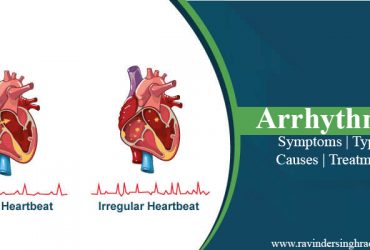
Cold weather can sometimes trigger irregular heartbeats or Arrhythmias. People with pre-existing cardiac disorders may be especially at risk for developing irregular heart rhythms due to the stress that cold exposure places on the electrical system of the heart.
- Stroke
When blood flow to the brain is disrupted, usually by a clot, a stroke happens. Due in part to increased blood pressure and thicker blood from dehydration and cold-induced blood vessel constriction, the colder months are linked to an increased risk of stroke.
Preventing Cold Weather-Related Cardiovascular Issues
Although heart health might be threatened by cold weather, there are things you can do to lower the risks:
- Dress Warmly: Layer your clothing to be warm, especially if you’re going outside. Keep your hands, feet, and head covered to reduce heat loss.
- Stay Active Indoors: Maintaining a regular fitness routine is crucial, despite the chilly weather. Take part in indoor exercises such as stretching, walking, or working out with equipment.
- Monitor Your Blood Pressure: Monitor your blood pressure if you have hypertension, particularly in the winter. If you need advice on changing your medication, speak with your doctor.
- Avoid Excessive Alcohol and Heavy Meals: Both can put additional strain on your heart. Try to limit alcohol consumption, and eat balanced, heart-healthy meals.
- Keep Your Home Warm: To prevent extended exposure to chilly temperatures, which can strain your cardiovascular system, make sure your living areas are adequately heated.
Who is at Risk of Heart Attack in Winter?
People who are at a high risk of a heart attack in winter are:
- Those with a prior history of heart problems.
- Smokers and heavy drinkers.
- Those with high cholesterol and high blood pressure.
- People with sedentary lifestyles.
- Individuals with a history of heart attacks.
FAQs
How does cold weather affect cardiovascular health?
Blood arteries constrict in cold conditions, which can raise blood pressure and put more strain on the heart. It may also result in the heart receiving less oxygen, which increases the risk of heart attacks and strokes.
Who is most at risk for heart problems during cold weather?
People with existing high blood pressure, heart conditions, diabetes, or a history of heart disease are at higher risk. Additionally, sedentary people and older folks are at greater risk.
What symptoms should I watch for during cold weather?
Common warning signs include shortness of breath, chest pain, extreme fatigue, dizziness, or irregular heartbeat. If you experience these symptoms, seek medical help immediately.
How can I protect my heart in cold weather?
Dress warmly in layers, avoid sudden exposure to cold, and stay active indoors. Maintain hydration, eat a heart-healthy diet, and limit alcohol and caffeine intake as these substances can dehydrate the body and raise blood pressure.
Is exercising outdoors in cold weather safe?
It can be safe with precautions. Avoid fatigue, wear in layers, and warm up indoors before leaving. To lessen the burden on the heart during excessively cold weather, choose to exercise indoors.
Does cold weather increase the risk of heart attacks?
Indeed, cold weather increases the risk of heart attacks because it causes elevated blood pressure and cardiac strain. Shoveling snow or heavy exertion in the cold can further elevate this risk.