Ironically, the number of people receiving diagnoses of cardiovascular problems has increased over the past ten years, despite the fact that more people are becoming aware of the significance of heart health. Whether it is due to sedentary lifestyles, unhealthy eating habits, or rising levels of stress, the reality is that heart disease has become one of the major health issues in practically every region of the world. That being said, awareness, routine examinations, and healthy lifestyle choices can help avoid or better manage a number of cardiovascular issues. World Heart Day was created specifically to encourage people to recognize the early warning symptoms of heart disease, comprehend risk factors, and take proactive measures to improve heart health.
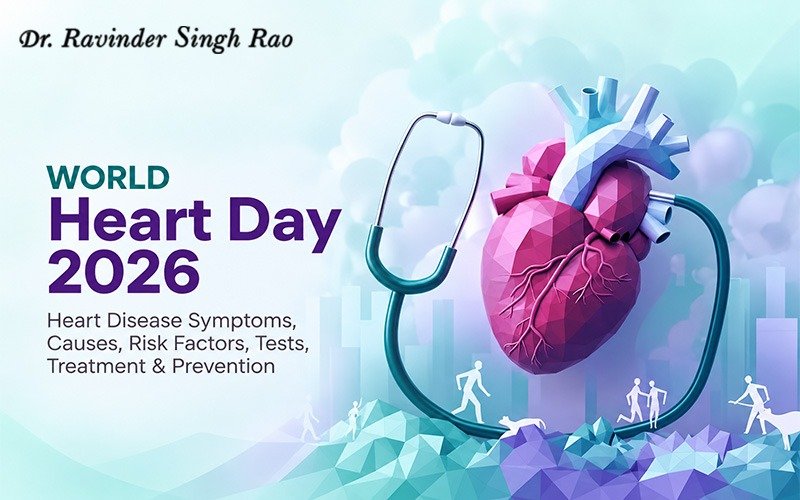
On World Heart Day 2026, Dr. Ravinder Singh Rao highlights the importance of taking simple, consistent steps to protect heart health. A balanced diet, regular physical activity, stress management, adequate sleep, and routine health check-ups can help support a healthy heart. Risk factors such as high blood pressure, high cholesterol, diabetes, smoking, and physical inactivity should also be recognized. Paying attention to warning signs and seeking timely medical advice can make a meaningful difference.
History of World Heart Day
The World Heart Federation and the World Health Organization founded World Heart Day in 2000 to raise awareness of cardiovascular illnesses and the preventive measures that must be taken. This day is celebrated every year on 29th September, bringing together healthcare organisations, communities, and individuals from all over the world to focus on heart health and encourage preventive action. The program was established to address the rising prevalence of heart disease and emphasize the significance of identifying warning signs, comprehending risk factors, and forming healthier routines. Over the years, World Heart Day has developed into a worldwide forum for raising awareness of cardiovascular health and supporting initiatives for early detection and prevention.
The Significance of World Heart Day
World Heart Day is important because it refocuses attention on heart disease prevention rather than treatment. It serves as a reminder that daily decisions have an impact on heart health and that identifying risk factors early on can have a significant impact.
In addition to increasing public awareness, the campaign encourages communities, businesses, educational institutions, and healthcare organizations to engage in initiatives that support heart health and preventative care. By working together, we can raise awareness of the significance of routine health examinations, adopting healthier lifestyles, and consulting a doctor before heart issues worsen.
World Heart Day 2026 Theme
For World Heart Day 2026, the World Heart Federation has continued with its “Don’t Miss a Beat” campaign, highlighting the fact that heart disease frequently goes undiagnosed until it results in major difficulties. The 2026 campaign is built around three key messages:
- See the Signs: In the early stages of many cardiac problems, there are no noticeable symptoms. Early diagnosis and improved treatment results can result from being aware of warning signals and knowing when to consult a doctor.
- Protect Your Heart: Most cardiovascular diseases are linked to risk factors that can be prevented or managed. Small, consistent lifestyle changes such as staying physically active, eating a balanced diet, avoiding tobacco, and managing blood pressure can make a meaningful difference over time.
- Demand Action: The campaign also urges governments and healthcare systems to step up their efforts to prevent heart disease, promote early detection, and provide access to high-quality cardiovascular care in order to enable more individuals to obtain prompt treatment.
Why Heart Health Should Be a Priority for Everyone
Heart disease is often associated with older adults, but it can affect people of all ages. Over time, a number of factors can raise the risk, including high blood pressure, diabetes, obesity, smoking, long-term stress, physical inactivity, sleep deprivation, and a family history of heart disease. Some of these dangers take time to manifest and may not show signs until the illness has advanced.
The good news is that healthy lifestyle choices and routine medical examinations can help identify and control many of these risk factors. It’s not just for those who already have a heart condition to pay attention to heart health. Anyone who wants to lower their long-term risk and preserve general health should do the same.
Who is at High Risk of Developing Heart Disease?
It is important to understand that heart disease can affect anyone. However, the risk can be greatly increased by certain medical problems, lifestyle choices, and family history. Among the most typical risk factors are:
- Old Age: Although younger persons may also be impacted, the risk of heart disease often rises with age.
- High Blood Pressure: Uncontrolled blood pressure puts extra strain on the heart and blood vessels, increasing the risk of heart attack and other cardiovascular conditions.
- Diabetes: Chronically elevated blood sugar raises the risk of cardiovascular disease and damages blood vessels.
- Smoking and Tobacco Use: Smoking damages blood vessels, raises blood pressure, and reduces the amount of oxygen carried in the blood.
- Overweight or Obesity: Being overweight puts additional stress on the heart and is frequently associated with other risk factors including high blood pressure and diabetes.
FAQs
What is World Heart Day 2026?
On September 29, 2026, World Heart Day is celebrated to promote awareness of heart health and cardiovascular disorders.
Why is World Heart Day celebrated?
It encourages people to understand heart-health risks and adopt healthier habits.
How can I keep my heart healthy?
Stay physically active, eat a balanced diet, manage stress, avoid smoking, and get regular health check-ups.
What are common risk factors for heart health?
Shortness of breath, chest discomfort, nausea, sweating, and pain spreading to the arm, jaw, or back can be warning signs. Seek emergency medical help immediately.
What is the message of World Heart Day?
The key message is simple: take care of your heart today for a healthier tomorrow.