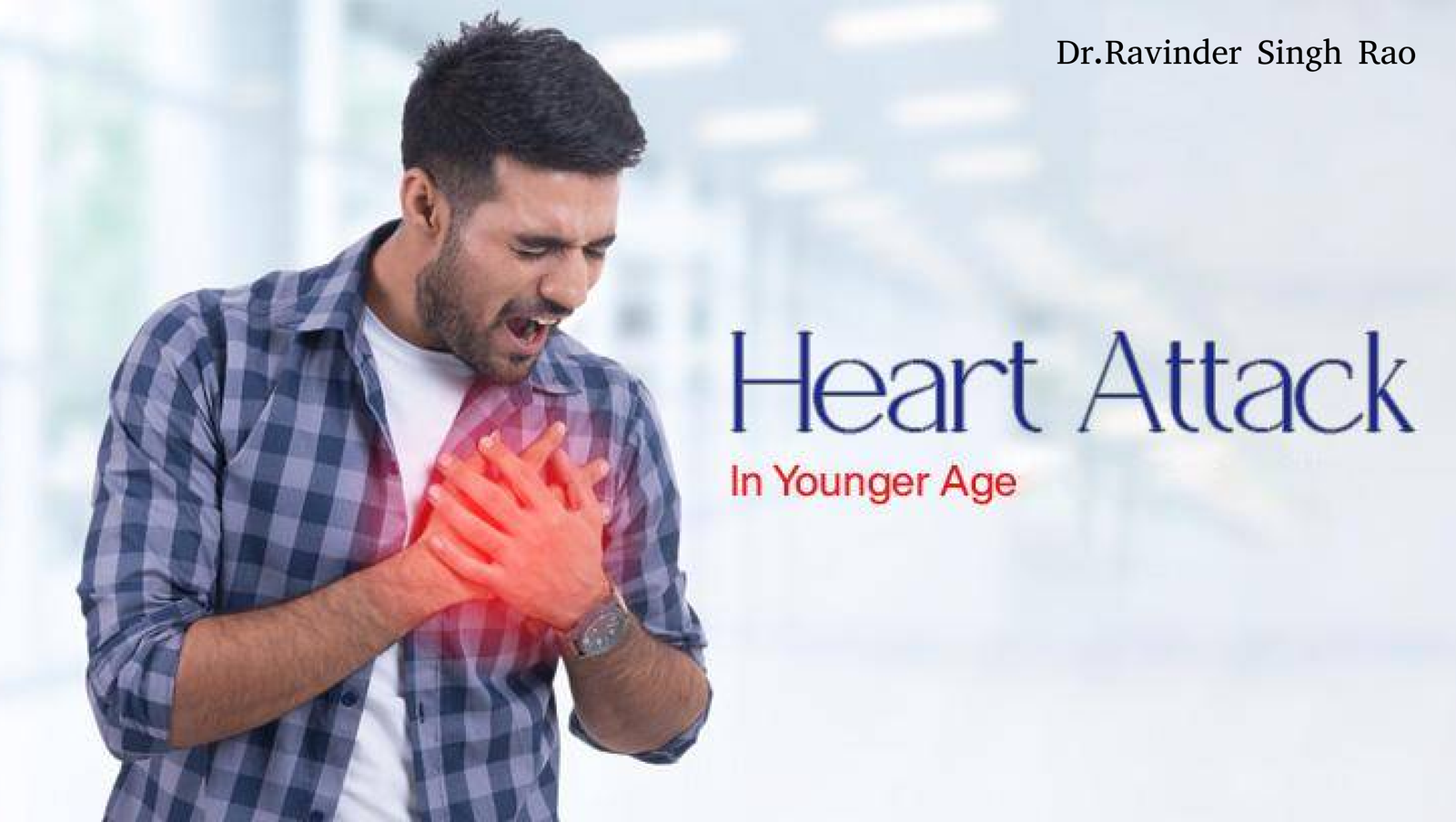
In recent years, an alarming trend has emerged: heart attacks are increasingly affecting younger individuals. Heart attacks, which were formerly thought to be a problem mainly affecting the elderly, are becoming more common among millennials and even teenagers. There are important questions regarding the underlying reasons and potential remedies raised by this shift in the demographic profile of heart attack victims. Since the COVID-19 epidemic, numerous post-recovery problems have been recorded by patients. The increase in heart-related problems among young individuals is one such complication. Prior to COVID-19, individuals with acute coronavirus issues were often in their 50s.
Numerous factors contribute to the diagnosis, management, and outcome of Acute Coronary Syndrome, also known as heart attacks or sudden cardiac death, in our young children. Almost 50 percent of the cardiac patients who visited the hospital during the second and third waves were aged between 30 to 40. This signifies that heart problems affect people of all ages and can also strike young people, which could lead to a severe health crisis in our community. Dr. Ravinder Singh Rao provides an insightful guide on the rise of heart attacks among young people, emphasizing a multifaceted approach to understanding and addressing this issue.
According to Dr. Ravinder Singh Rao, poor dietary choices, sedentary behavior, growing stress levels, and substance addiction are also contributing factors to the rise in cardiovascular events among young people. He highlights attention to the urgent need for more awareness and preventative actions, like encouraging frequent cardiovascular tests, better mental health assistance, and healthier lives.
What Can Cause Sudden Cardiac Death in Young People?
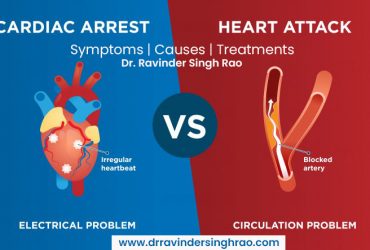
Sudden cardiac death is commonly caused by abnormalities in the electrical signals of the heart. The bottom heart chambers contract quickly and uncoordinatedly during a rapid heartbeat. The heart can’t pump blood to the body. This life-threatening type of irregular heartbeat is called ventricular fibrillation. The risk of sudden cardiac death can be raised by anything that puts stress on the heart or harms cardiac tissue. Some conditions that can lead to sudden cardiac death in young people are:
- Thickened Heart Muscle, also Called Hypertrophic Cardiomyopathy: The most frequent cause of sudden cardiac death in young individuals is this hereditary disease. The heart muscle becomes overly thick as a result. The heart has a harder time pumping blood because of the thickening. This can cause fast heartbeats.
- Long QT Syndrome: Fast, erratic heartbeats may be the result of this cardiac rhythm disorder. It is associated with unexpected death and unprovoked fainting, particularly in youth. It is referred to as congenital long QT syndrome if it is present from birth.
- Other Heart Rhythm Conditions: Sudden cardiac death may also result from other abnormal heart rhythms. Among these are the Wolff-Parkinson-White and Brugada syndromes.
- Forceful hit to the Chest: Commotion cordis refers to a blunt chest injury that results in rapid cardiac death. Athletes who are struck forcefully in the chest by sporting goods or by another player may develop commotion cordis. This condition does not damage the heart muscle. Instead, it changes the heart’s electrical signaling.
- Heart condition present at birth, also called a congenital heart defect: Certain individuals are born with abnormalities in their blood vessels and heart. Sudden cardiac death may result from these alterations that lower blood flow.
How Parents and Coaches Can Detect Cardiac Health Risks in Young People
Sudden cardiac death often happens without warning. Or perhaps cautionary signals go unnoticed. Find out if anyone who has is in need of a health examination.
- Fainting, also called Syncope: Unaccounted-for fainting that happens during exercise or activity may indicate a cardiac condition.
- Shortness of Breath or Chest Pain: These symptoms could be a sign of a heart problem. However, diseases like asthma may also be the reason. For this reason, it’s critical to get a thorough physical examination.
- Family History of Sudden Cardiac Death: A person is more likely to experience the same kind of cardiac episode if they have this family history. Consult a healthcare provider about screening alternatives if there is a family history of unexplained deaths.
Can Sudden Death in Young People be Prevented?
Occasionally. A medical practitioner may advise against competitive sports if you have a high risk of sudden cardiac death. To reduce the chance of unexpected death, a doctor or surgeon may be advised, depending on the underlying condition. For instance, a device called an implantable Cardioverter-Defibrillator (ICD) may be placed in the chest. The heart’s rhythm is continuously monitored by the device. The ICD shocks the heart with electrical shocks to reset it in the event of a potentially fatal shift in heart rhythm. Many athletic training centers have a portable device called an automated external Defibrillator (AED). When someone is in cardiac arrest, an AED is utilized to treat them. It shocks the heart to get the rhythm back in sync. To operate it, no training is required. The gadget provides instructions. It is designed to shock just when required.
FAQs
What are the main causes of heart attacks in young people?
Young people’s heart attacks are primarily caused by hazardous lifestyle choices such as poor diet and inactivity, rising obesity rates, long-term stress, smoking, drug addiction, and genetic predispositions. Additionally, conditions like high cholesterol and high blood pressure, often exacerbated by these factors, can contribute to the risk.
How does obesity contribute to heart attacks in youth?
The cardiovascular system is strained by obesity, which raises the risk of heart attacks. It can result in insulin resistance, high blood pressure, and increased cholesterol, all of which are serious heart disease risk factors.
What role does stress play in heart attacks among young people?
By creating detrimental changes in the body, such as elevated blood pressure and heart rate, chronic stress might raise the risk of heart attacks. Stress can also result in unhealthy coping strategies like binge drinking, smoking, or eating poorly, all of which raise the risk of cardiovascular problems.
How can a poor diet and sedentary lifestyle increase heart attacks in youth?
A poor diet high in processed foods, sugary drinks, and unhealthy fats can lead to obesity, high cholesterol, and high blood pressure. Sedentary behavior, defined as little physical exercise, makes these problems worse by raising the risk of heart disease and causing weight gain and decreased cardiovascular fitness.
Are there genetic factors that contribute to heart attacks in young people?
Yes, genetic factors can play a significant role in heart attacks among young people. Clearly-onset heart disease can be greatly increased by conditions such as familial hypercholesterolemia, which results in high cholesterol from a young age. A family history of heart disease can also elevate an individual’s risk.